Original editorial essays written for this fictional portfolio concept. A closer look at the ideas behind the experience.
NOIR & EMBER / A FICTIONAL DINING CONCEPT
01 / SEASON & INGREDIENT
The quiet logic of a seasonal menu
Seasonality offers a useful creative constraint: begin with what is expressive now, and allow the menu to follow.
Read the essay +
ORIGINAL PORTFOLIO EDITORIAL / DIGITAL EMPIRE STUDIO
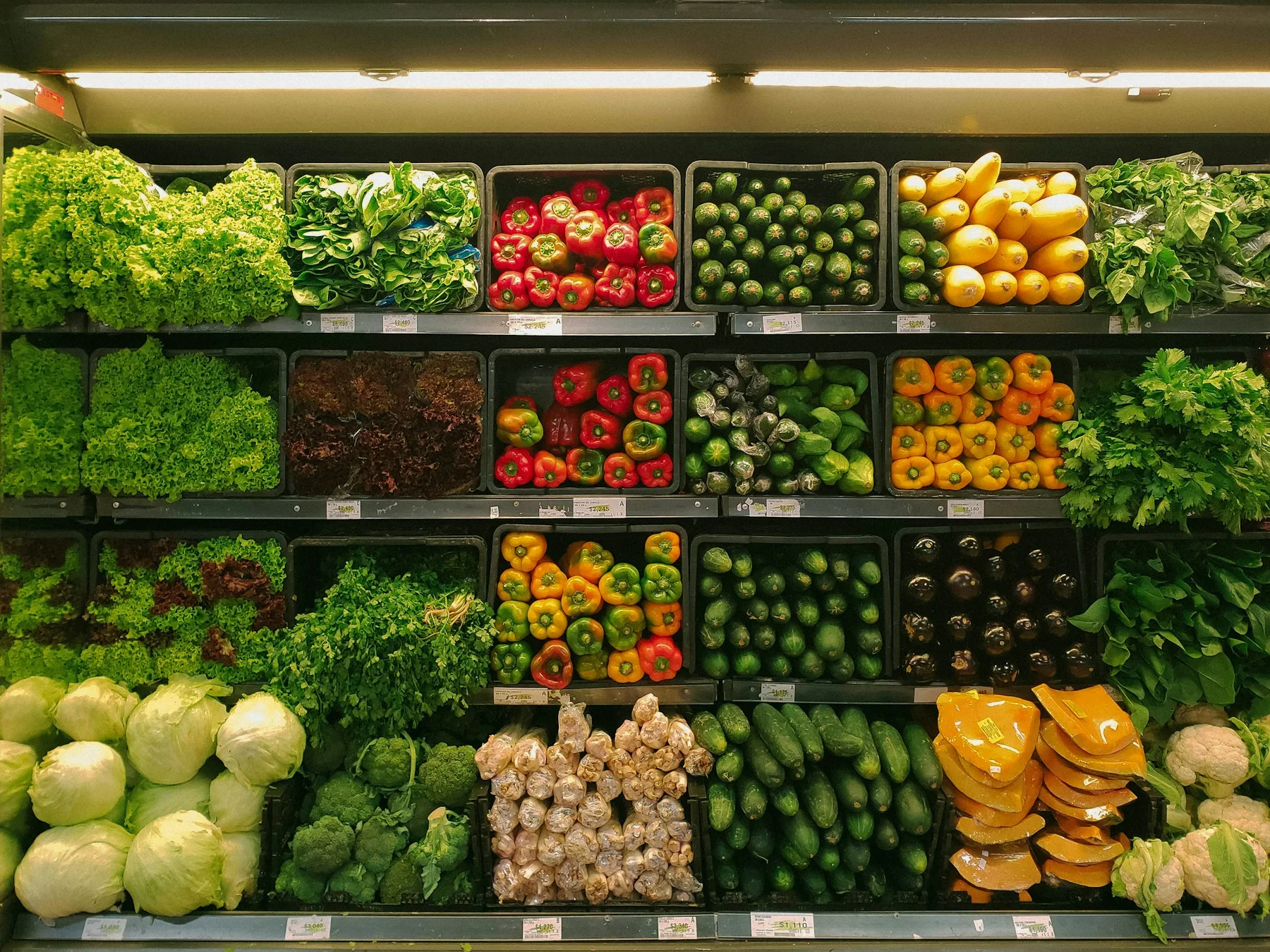
A seasonal menu begins with attention. Tender leaves, dense roots, ripe fruit, and aromatic herbs bring different textures and moods to the plate. Rather than forcing every ingredient into the same treatment, a thoughtful kitchen asks what makes each one distinctive.
For this fictional menu, seasonality is a creative starting point rather than a claim about actual sourcing. The Garden course imagines a contrast between crisp leaves and roasted vegetables. The idea is simple: let preparation reveal character, rather than cover it.
A menu also needs rhythm. Several rich courses in succession can feel repetitive; a bright, fresh note can create a pause. Temperature, acidity, texture, and portion size all contribute to the experience. The ingredient is only the beginning of the composition.
The lesson for the home table is modest: start with a small number of ingredients you enjoy, notice their differences, and build a meal around contrast. A considered dinner does not need a long list of components.
02 / CRAFT & TECHNIQUE
Restraint is an ingredient, too
A plate can say more when each element has a clear reason to be there.
Read the essay +
ORIGINAL PORTFOLIO EDITORIAL / DIGITAL EMPIRE STUDIO
In an imagined dining atelier, restraint shapes the final plate. A sauce provides one kind of richness; a crisp element introduces another texture. When those choices are deliberate, a small composition can feel complete.
This is not a rule that every dish must be minimal. Generous, layered food can be equally thoughtful. The question is whether the elements support one another. A garnish should contribute flavour, texture, aroma, or a useful visual cue.
The NOIR & EMBER concept uses that principle in its visual identity as well. Dark space allows a photograph to stand out. A fine rule separates ideas without becoming decoration for its own sake. The website and the imagined menu share a preference for purposeful detail.
At home, try describing a dish in one sentence before adding another ingredient. If the new element strengthens that sentence, it may belong. If it distracts from the thing you most enjoy, the dish may already be finished.
03 / THE CULTURE OF THE TABLE
Designing an evening, not just a room
Light, pacing, sound, and the space between courses all shape the memory of a meal.
Read the essay +
ORIGINAL PORTFOLIO EDITORIAL / DIGITAL EMPIRE STUDIO
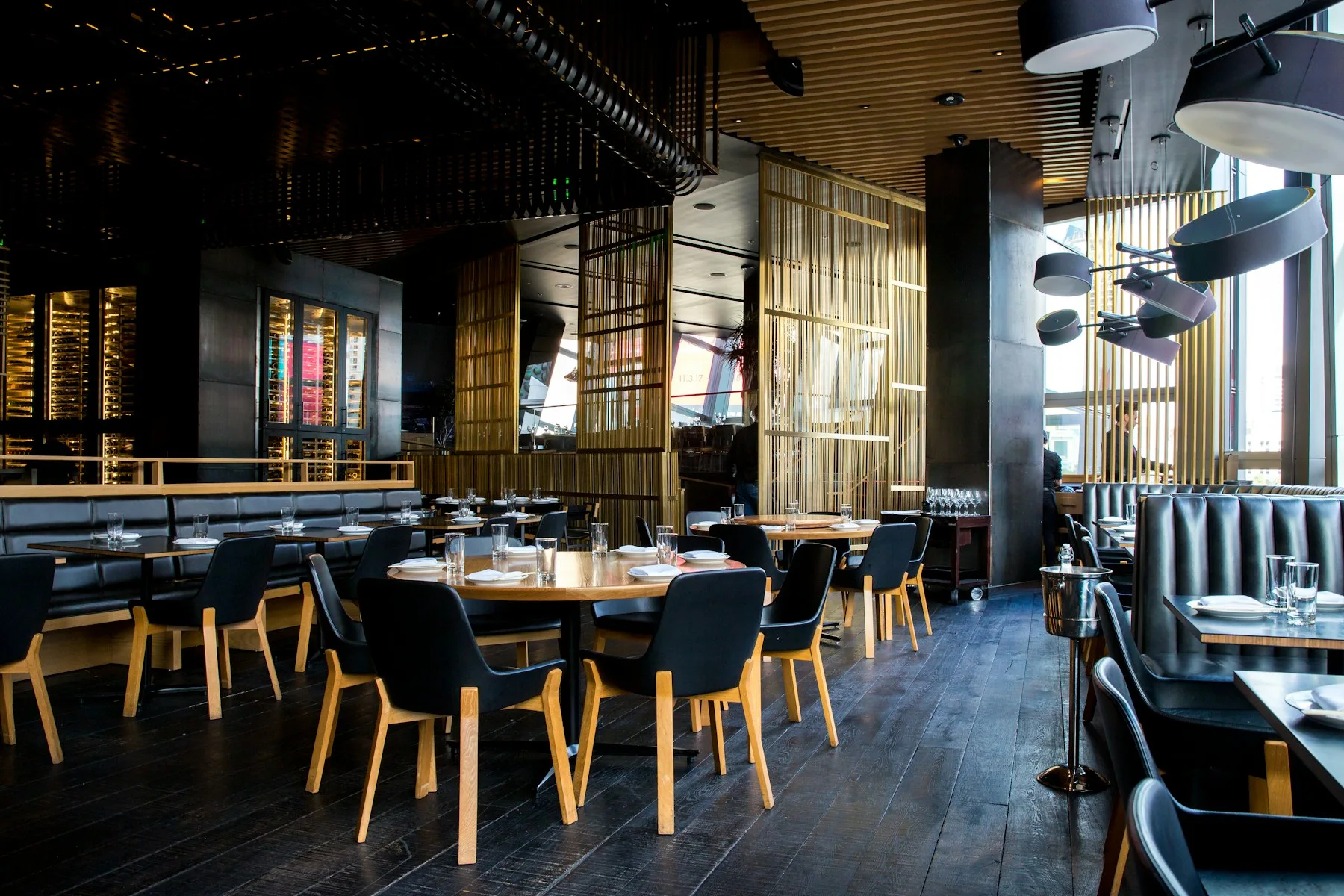
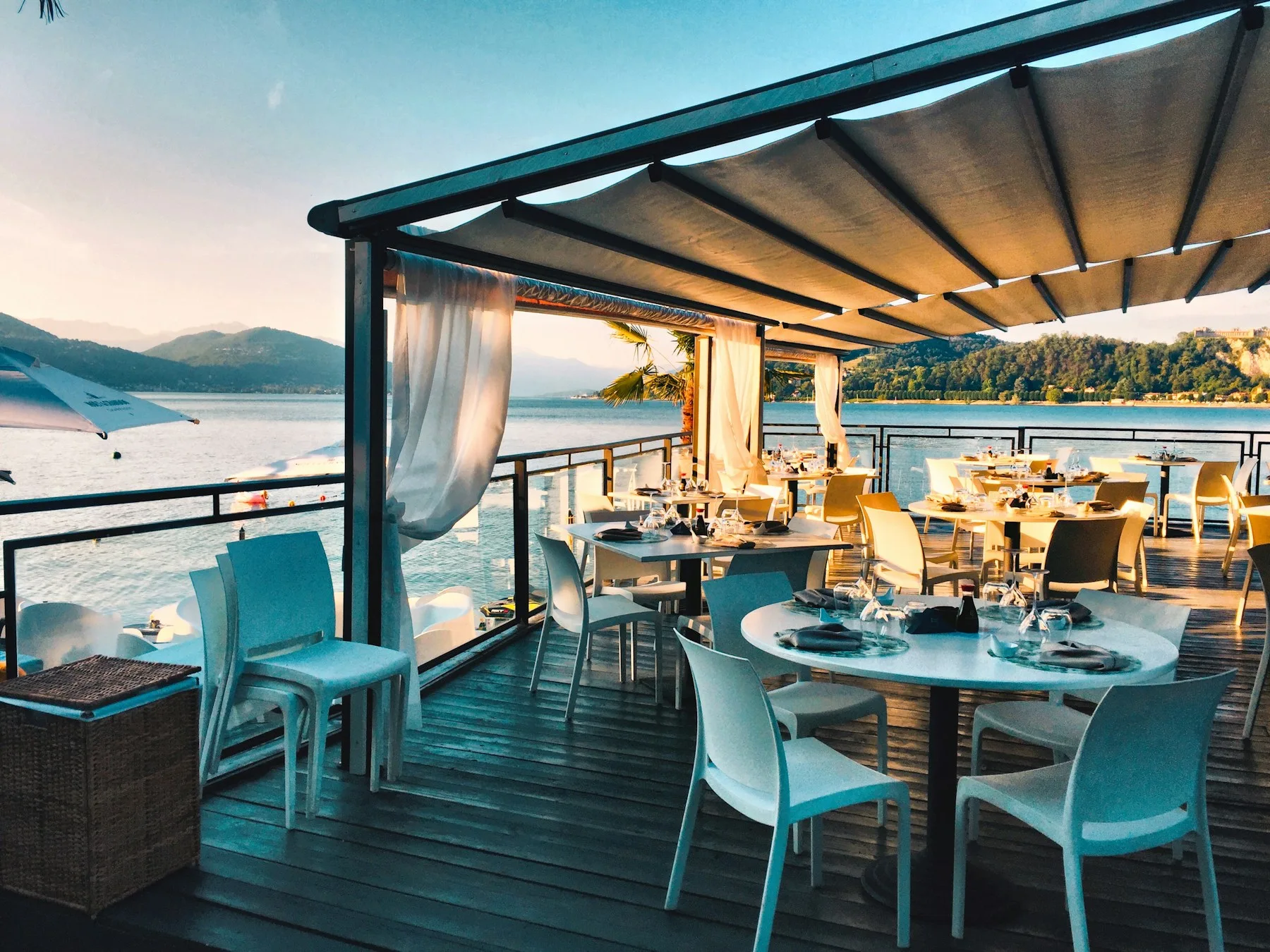
A dining room is experienced through more than sight. The distance between tables, the sound of conversation, the light on a glass, and the pace of a meal all influence how people feel in the space.
For this fictional restaurant, the room is imagined as intimate rather than theatrical. Architectural photographs suggest warm materials and focused pools of light. They are mood references, not images of an operating NOIR & EMBER venue.
Thoughtful hospitality also leaves space for different occasions. A quiet dinner for two has a different rhythm from a celebratory group. A useful digital experience helps visitors understand those options without pretending that every evening is the same.
The most memorable moments are often ordinary ones: a conversation that continues, a shared plate, a pause before leaving. A considered room supports those moments rather than competing with them.